As youth mental health needs continue to grow, LWSF invests in proven prevention and early intervention programs that equip students to recognize warning signs, respond with confidence, and foster a culture where seeking help is encouraged and supported.
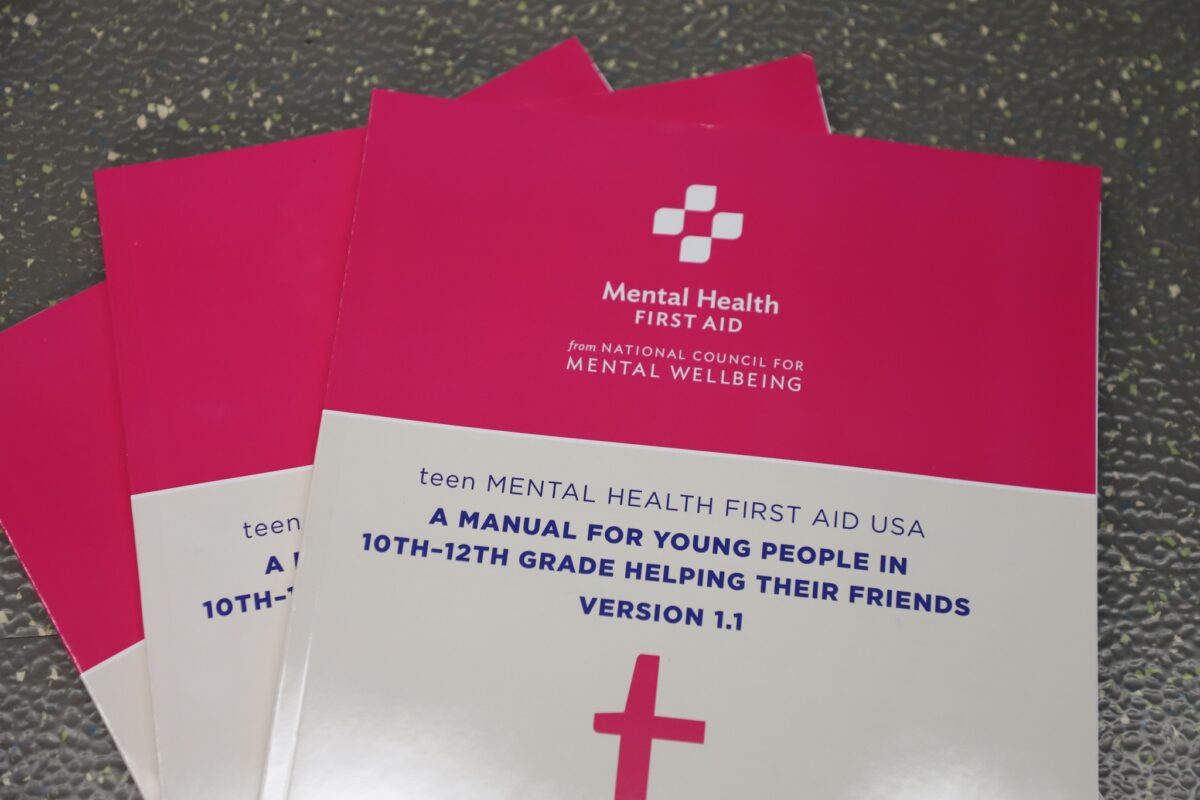
Teen Mental Health First Aid
Created by the National Council for Mental Wellbeing in partnership with the Born This Way Foundation, Teen Mental Health First Aid (TMHFA) helps teens learn how to identify, understand and respond to signs of friends who may struggle with mental health and substance challenges.
“The curriculum is designed around the understanding that adults are frequently not the first person teens turn to when they or a friend needs help,” said Chase Covington, school counselor at Nikola Tesla STEM High School. “Knowing that, this curriculum is intended to teach and equip our students with an appropriate level of knowledge and skills to understand a mental health challenge or crisis when they see it and how to respond appropriately.”
Different topics cover mental health challenges: what is appropriate help, how to help a friend in a current or developing mental health crisis, how to help a friend in a substance use crisis. All of these topics are covered while also teaching them resilience and recovery.
“Some of the very students we’re referred to who suffered in silence once, even considered ending their pain through suicide, were helped through the worse times through Teen Mental Health First Aid, and are soon to walk our graduation stage,” shared Chase.
TMHFA has been invaluable. It recognizes something we already know: teens are more likely to turn to each other for support before going to an adult.
Cora Goss-Grubs, Behavioral Health Support Specialist at Tesla STEM High School
I hope that after taking the TMHFA training, my peers will feel just as comfortable going to the school counselors to talk about feelings of depression and anxiety, as they would going to the nurse for a headache.
Anisha V, student at Tesla STEM High School
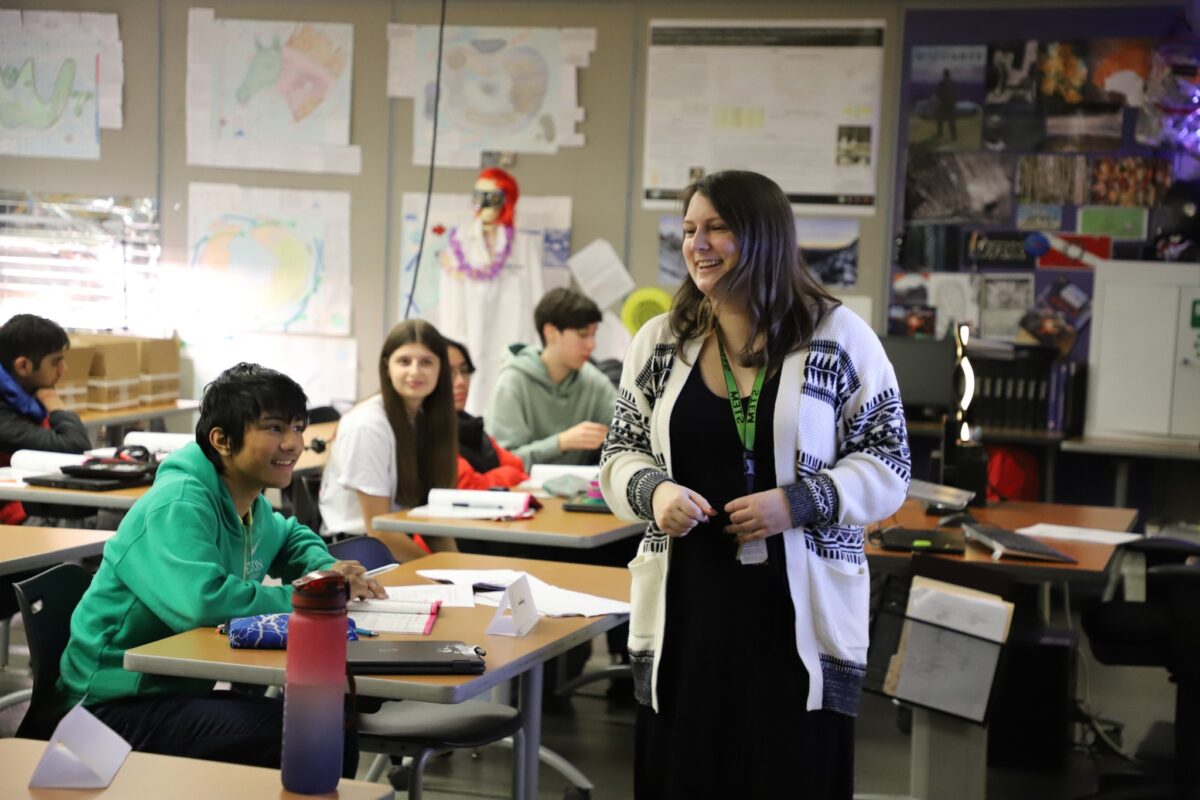
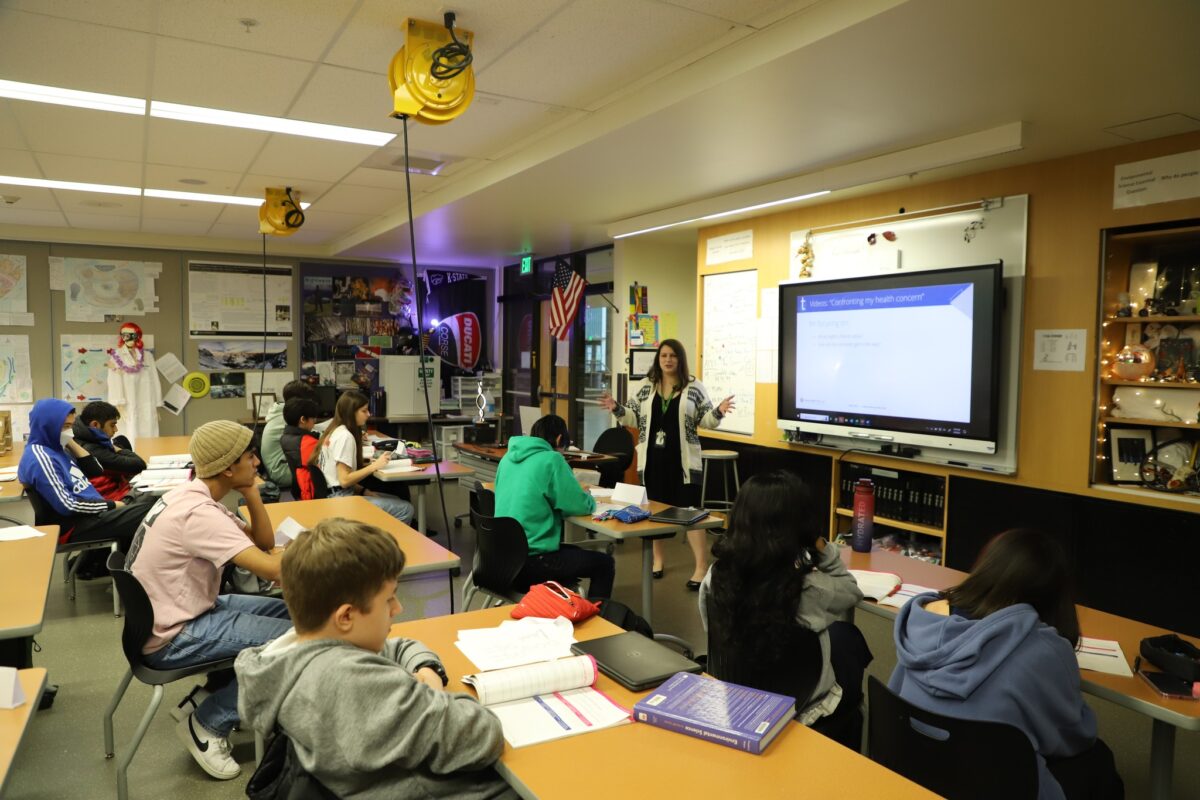

Helping Teens Help Each Other at Tesla STEM
By training students in Teen Mental Health First Aid as early as 9th grade, Tesla STEM is helping teens look out for one another and take action when it matters most.
Sign of Suicide
Through Signs of Suicide (SOS), students learn that mental health challenges are common, treatable, and that asking for help is a sign of strength. This evidence-based prevention program teaches students how to recognize the warning signs of depression and suicide in themselves and their peers, respond appropriately, and connect with a trusted adult.
By promoting early intervention, reducing stigma, and encouraging open conversations about mental health, SOS helps create safer, more supportive school communities where students know they are not alone.